Why does my crawl space get wet in summer when it hasn't rained?
In the Treasure Valley the wet season under a house is often summer, not spring rain. Canals and laterals carry irrigation water across the valley from early April to fall, and the water that seeps from them recharges the groundwater underneath neighborhoods.
A state-funded hydrologic study of the Treasure Valley aquifer found that seepage from canals is a major source of groundwater recharge, that recharge peaks during the summer irrigation season, and that water levels can keep rising for months after irrigation stops. For homes near a canal or the Boise River, that rising water table is what fills the sump pit.
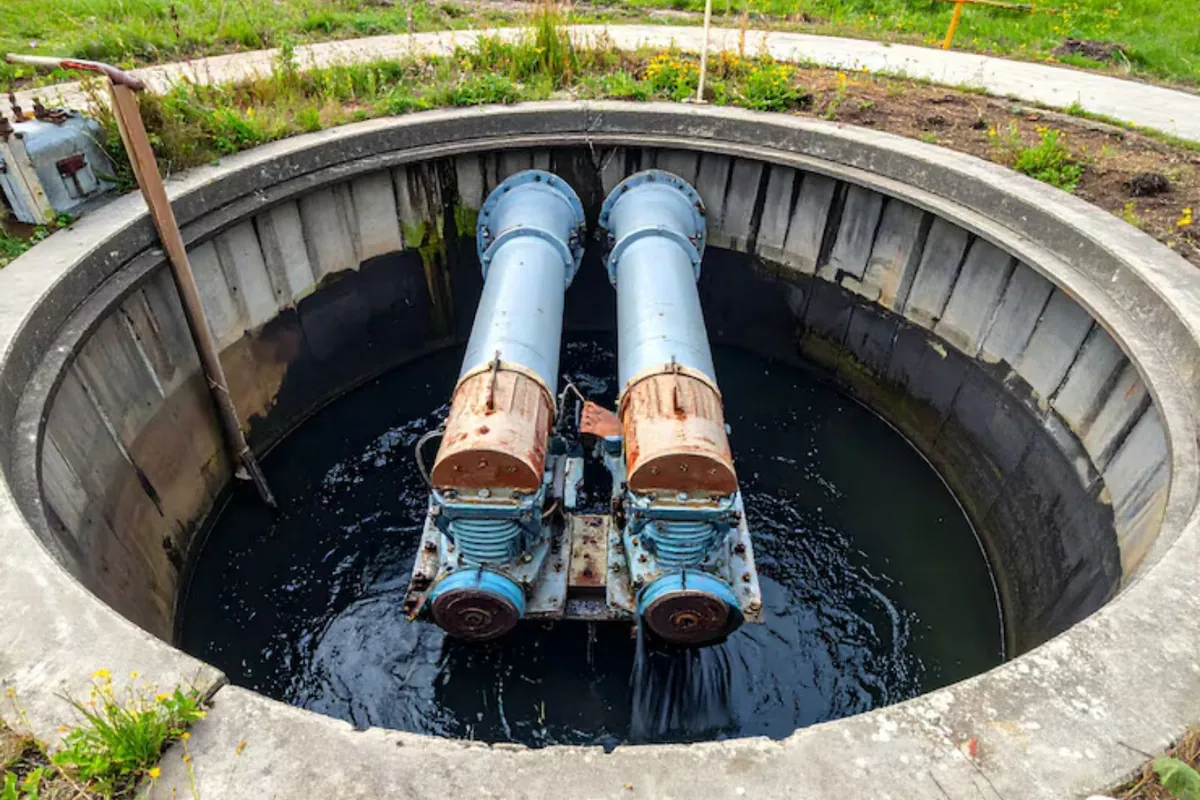
Across Ada County, a typical crawl space setup uses a submersible pump with a float switch, a check valve on the discharge line, and an optional high-water alarm.
Irrigation districts serving Boise, Meridian, and Nampa begin turning water on around the first week of April. That is the best time to test a sump pump, before the groundwater climbs.
Homes near canals and laterals, such as parts of Settlers Bridge and the newer subdivisions around Discovery Park on Lake Hazel Road, are the most likely in Meridian to need one.
Pump failed and water is rising: the 24/7 steps
In Meridian the failure usually comes in summer, when canal seepage keeps the pit filling. Do these things while you wait.
- Check the breaker and the GFCI outlet the pump plugs into. A tripped outlet is the most common cause.
- Lift the float gently with a stick. If the pump starts, the float was stuck and the pump may still be sound.
- Keep stored boxes and anything electrical off the crawl space floor.
- Do not run extension cords through standing water.
- Call (208) 679-8357 and say how deep the water is and whether the pump hums, clicks, or is silent.
A pump that hums but does not move water usually has a jammed impeller or a failed motor. Both are common same-day replacements.
Signs your sump pump is failing
Most pumps give warning before they quit. Check yours if you notice any of these.
- The pump runs constantly, even when the pit is nearly empty.
- It hums but no water moves, which often means a jammed impeller or clogged intake.
- It cycles on and off every few seconds, a sign of a stuck float or failing check valve.
- Water stands in the crawl space while the pump stays silent.
- The pump is more than about seven to ten years old.
- You smell mustiness or see condensation on crawl space pipes.
A musty crawl space can also come from a slow supply leak rather than groundwater. Our leak detection service tells the two apart.
Sump pump types and when each one fits
The right pump depends on how much water comes in and how much space the pit allows.
| Pump type | Best for | Trade-offs |
|---|---|---|
| Submersible pump | Most crawl space pits, steady summer water | Quiet and sealed, slightly harder to reach for service. |
| Pedestal pump | Narrow pits with light seepage | Easy to service, louder, motor sits above the pit. |
| Battery backup pump | Homes that cannot risk a power outage | Adds protection, battery needs replacing every few years. |
| Alarm or high-water sensor | Any pit, especially in rentals or second homes | Alerts you before water reaches the subfloor. |
General comparison. The pit size and water volume decide the final choice.
Sewage ejector pumps
A sewage ejector pump is different from a sump pump. It lifts waste from a basement bathroom or laundry that sits below the sewer line, and it sits in a sealed basin with a vent. When it fails, the basement fixtures back up rather than the crawl space flooding.
Ejector pumps are replaced, not patched, in most cases, and the check valve and alarm are checked at the same time. If the alarm is sounding, stop using the fixtures that drain to it and call.
Where the water is allowed to go
A sump pump only works if the water it moves leaves the house and does not run back. The discharge line should carry water well away from the foundation, with a check valve so the line does not drain back into the pit each cycle.
Sump water should go to the yard or an approved drainage point, not into the sanitary sewer, which utilities generally prohibit because groundwater overloads treatment plants. If you are unsure about your connection, ask Meridian Public Works before changing anything.
Lines that run outside need protection from freezing in winter. A frozen discharge line backs water up into the pit and can burn out the pump.
A spring checklist before the canals fill
Do this in late March, before irrigation water starts flowing in early April.
- Pour a bucket of water into the pit and confirm the pump starts and stops on its own.
- Clear gravel, silt, and debris from the pit and the pump intake.
- Check that the discharge line is open, unfrozen, and draining away from the house.
- Test the battery backup and high-water alarm if you have them.
- Look for new cracks or seepage points in the crawl space walls.
If the crawl space has already flooded, drying it quickly limits damage. Our water mitigation page covers extraction and drying.
What affects the cost of sump pump work
Sump pump jobs vary with access and what the pit needs.
- Repair of a float or check valve versus a full pump replacement.
- Crawl space access, since tight or wet crawl spaces take longer.
- Adding a new pit where none exists.
- Battery backup, alarms, and new discharge piping.
- Emergency timing when water is already rising.
Planned installs come with a free estimate. Call (208) 679-8357 for the price before any work starts.